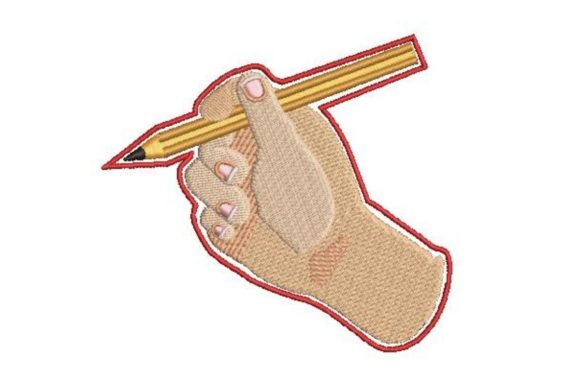
Pencil in Hand: A Designer’s Real-World Review
As a designer who spends more time staring at stitch maps than finished garments, I have learned that the difference between a good machine embroidery design and a great one often lies in the details. When I first loaded Pencil in Hand into my digitizing software, I was not just looking for a cute graphic. I was looking for structural integrity, visual balance, and versatility. In the world of Back To School Embroidery, trends come and go, but a well-executed motif remains a staple for custom apparel and personalized gifts.
First Impressions: Mood and Visual Personality
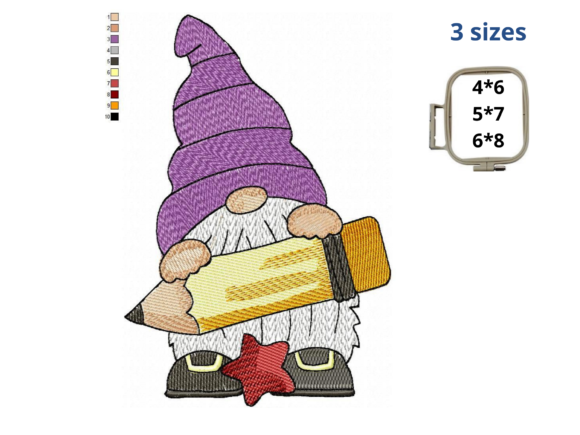
The immediate appeal of Pencil in Hand is its approachable charm. It captures a moment of creativity—a hand holding a pencil, ready to turn ideas into magical works of art. This is not just a static image; it suggests action and potential. For parents and educators, this resonates deeply. The layout feels organic rather than rigid, which is crucial when you are working with the natural drape of fabric. The detail level is moderate, avoiding the trap of over-digitizing, which can lead to thread breaks and puckering on smaller items. It strikes a balance between clarity and simplicity, making it an ideal candidate for both novice hobbyists and experienced Etsy sellers looking to expand their catalog.
Real-World Application: From Mockup to Finished Product
To truly evaluate this design, I moved beyond the screen and into the studio. I imagined a specific scenario: a local boutique owner requesting custom tote bags for a teacher appreciation event. This is where Pencil in Hand shines. The design’s proportions fit perfectly on a standard tote bag panel, allowing for enough negative space around the motif to let the fabric texture breathe.
I also considered its use on sweatshirt embroidery. Here, the design’s line weight becomes critical. On thicker fabrics like fleece or heavy cotton blends, a design that is too delicate can get lost. However, Pencil in Hand has enough presence to stand out without requiring excessive stitch density that might make the garment stiff. For baby embroidery projects, such as personalized bibs or onesies, the cute aesthetic aligns perfectly with customer expectations. It transforms a basic uniform or daily wear item into a cherished keepsake.
Versatility Across Product Lines
The versatility of this embroidery file extends to various handmade product categories. Consider these applications:
- Custom Apparel: Ideal for pocket placements on denim jackets or chest logos on polo shirts.
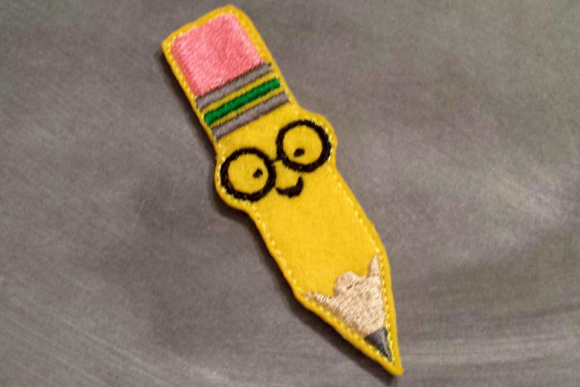
- Embroidered Patch: The self-contained nature of the design makes it perfect for creating iron-on or sew-on patches, a trending item in many small shop product lines.
- Nursery Decor: When stitched onto pillow covers or wall hangings, it adds a whimsical touch that appeals to parents designing creative spaces.
- Holiday Gifts: While inherently academic, the theme of creativity fits well for holiday gifts for artists, writers, and students alike.
Technical Considerations and Stitch Performance
From a technical standpoint, the execution of Pencil in Hand requires attention to detail. The interplay between satin stitch borders and fill stitch areas determines the final look. In my assessment, the transition between these stitch types appears smooth, reducing the risk of snagging. However, any designer knows that digital perfection does not always translate to physical reality without proper preparation.
When working with thread colors, contrast is key. On light fabrics, using vibrant colors for the pencil and skin tones can create a lively, engaging look. On dark fabrics, you may need to adjust the underlay or use a lighter base color to ensure the design pops. I recommend testing the design in black and white mockups first to verify that the silhouette remains recognizable without relying solely on color differentiation.
Where to Use Caution
While Pencil in Hand is robust, there are scenarios where careful planning is essential. Curved surfaces like caps require precise positioning. If the design is placed too close to the seam or on a highly curved area, distortion can occur. Additionally, when embroidering on stretchy fabric or thin materials, the choice of stabilizer becomes paramount. A cut-away stabilizer is often recommended for garments that will undergo frequent washing, ensuring the design maintains its shape over time.
Be mindful of tiny details. If the design includes fine lines or small text elements, ensure your machine’s needle size and thread weight are appropriate. Using a heavier thread on a delicate detail can cause bunching, while a too-fine thread might break under tension. Always check the hoop size requirements against your machine’s capabilities. Although specific dimensions are not provided in the initial description, verifying that the design fits within your standard hoops (such as 4x4 or 5x7) is a necessary step before starting any embroidery project.
Enhancing Brand Value and Customer Trust
For commercial embroidery professionals and craft business owners, the quality of your design assets directly impacts your brand perception. A clean, well-digitized design like Pencil in Hand signals professionalism. When customers receive a personalized gift that looks crisp and durable, their trust in your brand grows. This leads to repeat business and positive reviews, which are vital for Etsy sellers and online storefronts.
Moreover, using high-quality printable mockup images featuring this design can significantly boost engagement on social media and product listings. Showing the design on various items—such as aprons, kitchen towels, and blankets—helps customers visualize the end result, increasing the likelihood of purchase.
Practical Notes for the Embroidery Designer
Before committing to a large production run or listing this as a new product, follow these practical steps:
- Test on Scrap Fabric: Always stitch out a test sample on the same type of fabric you intend to use for the final product. This reveals any tension issues or registration errors.
- Check Licensing: Confirm the license terms associated with Pencil in Hand. Ensure you have the right to use it for commercial embroidery if you plan to sell finished items. If you are selling the digital embroidery file itself, verify that redistribution is permitted.
- Inspect Small Details: Zoom in on the digitized file to check for jump stitches or unnecessary trims that could slow down production or weaken the design.
- Compare Backgrounds: Test the design on both light and dark fabrics to determine if additional underlay stitching is needed for coverage.
- Verify Compatibility: Ensure the file format matches your embroidery machine’s requirements. Common formats include PES, DST, and JEF, but always double-check.
In conclusion, Pencil in Hand is a thoughtful addition to any designer’s library. It offers a blend of aesthetic appeal and practical usability that suits a wide range of Back To School and creative projects. By understanding its strengths and limitations, you can leverage this design to create high-quality, memorable products that resonate with your customers. Whether you are crafting a single personalized gift or scaling up for a seasonal collection, this design provides a solid foundation for creative expression.