Pencil Case in the Hoop: A Designer’s Review
As an embroidery designer who spends countless hours digitizing and testing files, I am always on the lookout for projects that balance aesthetic appeal with technical reliability. When I stumbled upon the Pencil Case in the Hoop on Creative Fabrica, my immediate interest was piqued by its potential for the upcoming Back To School season. This is not just another decorative motif; it is a functional project that transforms a standard embroidery machine into a manufacturing tool for finished goods. In this review, I will break down why this design stands out for small business owners, Etsy sellers, and hobbyists alike, focusing on its practical application in real-world commercial embroidery scenarios.
First Impressions and Visual Appeal
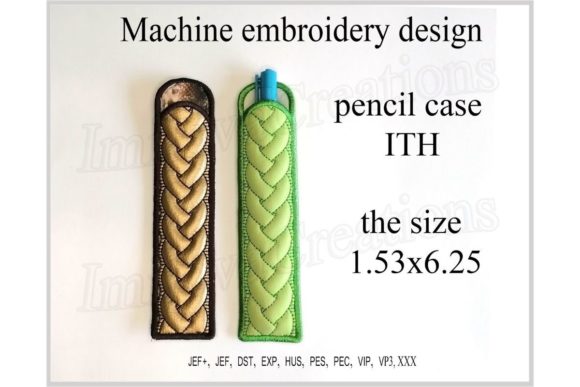
The visual mood of the Pencil Case in the Hoop is charming and versatile. It captures that nostalgic, handmade feel that customers increasingly seek in a market saturated with mass-produced items. The design promises to make kids happy by providing them with a beautiful, personalized accessory. From a designer’s perspective, the appeal lies in the "in-the-hoop" (ITH) construction. This technique allows for a clean, professional finish with no raw edges exposed, which is a significant selling point for high-end handmade products.
The detail level appears well-balanced. It avoids the trap of being overly complex, which can lead to thread breaks and registration issues, while still offering enough decorative flair to catch the eye. The stitching personality suggests a mix of structural integrity and playful aesthetics, making it suitable for a wide range of thread colors and fabric choices. Whether you are aiming for a pastel, nursery-ready look or bold, primary colors for elementary students, the design serves as a strong foundation for creativity.
Performance in Real Embroidery Projects
When evaluating a machine embroidery design for commercial use, I always consider how it translates across different products. While this specific file is dedicated to creating a pencil case, the techniques and visual style can inspire broader applications. For instance, the zippered closure mechanism and the neat satin stitching borders are excellent references for anyone looking to expand their repertoire of ITH projects.
For those targeting the Back To School market, this product is a goldmine. It fits naturally into collections featuring custom apparel, tote bags, and sweatshirts. Imagine bundling this embroidered pencil case with a matching sweatshirt embroidery design or a coordinated tote bag design. This kind of product grouping increases the perceived value and encourages larger orders from parents preparing for the school year. Furthermore, the concept extends beyond school supplies. With slight modifications in fabric choice, this ITH technique could be adapted for makeup bags, first-aid kits, or travel organizers, broadening your shop’s inventory without requiring entirely new digitizing skills.
The versatility also shines in gift-giving contexts. A personalized gift is far more impactful when it is both useful and beautifully crafted. This pencil case serves as an ideal canvas for monogramming or adding a child’s name, turning a simple accessory into a cherished keepsake. For boutique merchandise, the ability to produce these quickly and consistently is crucial for maintaining stock during peak seasons.
Technical Considerations and Practical Use
No embroidery project is without its technical challenges, and honesty about these aspects is vital for a trustworthy review. When working with ITH designs like the Pencil Case in the Hoop, fabric selection is paramount. You are dealing with multiple layers and a zipper, which adds bulk. I recommend using medium-weight cotton or canvas for the exterior to ensure the case holds its shape. For the lining, a lighter cotton works well to keep the interior smooth and prevent unnecessary bulk that might jam the zipper.
Stabilizer choice is another critical factor. Given the density of stitches required to hold the zipper and seal the edges, a cut-away stabilizer is often safer than tear-away, especially if the item will undergo frequent washing. However, since this is a small accessory, a high-quality tear-away might suffice if the fabric is stable. Always test on scrap fabric first. This allows you to check thread color contrast and ensure that the stitch density does not cause puckering.
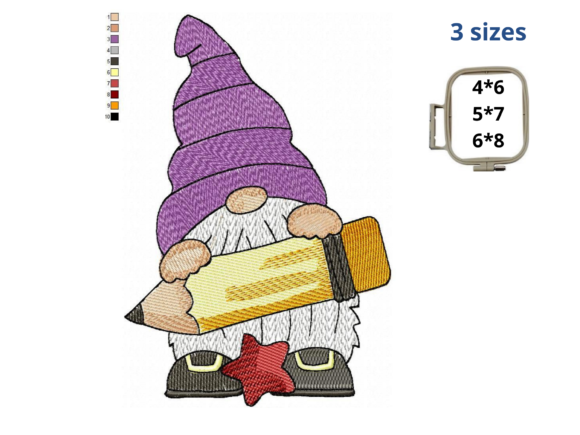
One must also pay attention to the hoop size. The product description notes that it comes in multiple sizes, which is a significant advantage. It allows you to optimize hoop usage based on your machine’s capabilities. Before starting a large batch, confirm the file details and licensing on the Creative Fabrica product page. Ensure that the digital embroidery file format matches your machine’s requirements, whether that is PES, DST, JEF, or another format.
Working with zippers in embroidery requires precision. Ensure your needle is sharp and appropriate for the fabric weight to penetrate the zipper tape cleanly. If you are using textured fabric or stretchy material, additional stabilization or a topping may be necessary to prevent the design from sinking into the pile or distorting the fabric. For dark fabrics, consider using a lighter thread for the bobbin to prevent show-through, or adjust your tension settings accordingly.
Enhancing Product Value and Brand Consistency
From a business standpoint, the Pencil Case in the Hoop offers more than just a cute product; it offers a pathway to enhanced brand consistency. The clean, professional finish of an ITH project reflects well on your craftsmanship. It signals to buyers that you pay attention to details, from the inside seams to the outer stitching. This level of quality builds buyer trust and encourages repeat business.
Photography plays a huge role in online sales. These pencil cases are photogenic and easy to style. You can create engaging printable mockup images or stage real-life photos with pencils, rulers, and notebooks to highlight the product’s utility. Such visuals improve customer engagement and help potential buyers visualize the product in use. For Etsy sellers, having a cohesive line of back-to-school items, including this pencil case, can improve shop visibility and search ranking.
Moreover, the speed of production for ITH items, once mastered, allows for better inventory management. You can produce these in batches, streamlining your workflow during busy seasons. This efficiency is key for creative entrepreneurs who need to balance design time with production time.
Final Verdict and Recommendations
In conclusion, the Pencil Case in the Hoop is a worthwhile addition to any embroidery designer’s library, particularly for those focused on seasonal trends and functional handmade goods. It bridges the gap between decorative embroidery and practical utility. The inclusion of multiple sizes and a quick tutorial makes it accessible even to those who are new to ITH projects.
Before diving into full-scale production, I advise reviewing the specific stitch count and color stops provided in the download. Check the license terms on Creative Fabrica to ensure compliance for commercial sales. Test the design on various fabrics to determine the best combination of thread and stabilizer for your specific machine. With careful execution, this design can become a staple in your shop, delighting customers with its charm and durability. It is a solid choice for anyone looking to expand their commercial embroidery offerings with high-quality, finished product potential.
Remember, the success of any embroidery file depends not just on the digital design, but on the skill and care applied during the stitching process. Take the time to perfect your technique, and this pencil case will surely become a favorite among your clientele.