Mathematics Book Cover: A Designer’s Review
As an embroidery designer who has spent years digitizing and reviewing files for small business merchandise, I approach every new machine embroidery design with a critical eye. It is not just about whether the image looks cute on a screen; it is about how that design translates into thread, how it holds up on fabric, and ultimately, how it serves the brand identity of the client using it. Today, I am reviewing the Mathematics Book Cover design, a digital asset positioned within the Back To School category but possessing potential far beyond the classroom.
The product description promises a cheerful and original touch for kid’s book covers, noting that the embroidery file comes in multiple formats. While the primary marketing angle targets parents and educators looking to personalize school supplies, my review focuses on its viability for commercial use. Can this design elevate a small business’s branded patch lineup? Does it work on staff uniforms? Let us dissect the visual personality and practical application of this design for entrepreneurs, Etsy sellers, and apparel decorators.
Visual Personality and First Impressions
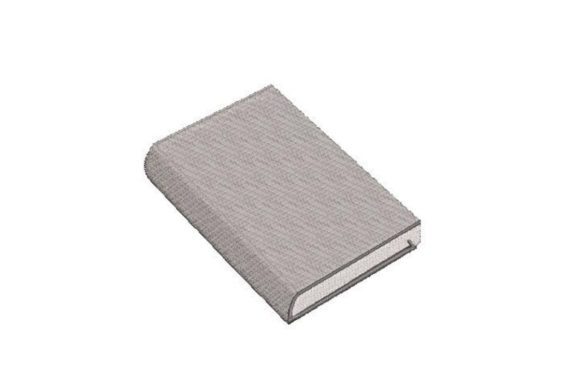
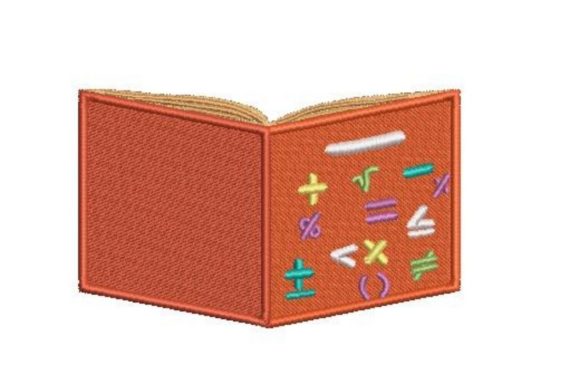
Upon loading the Mathematics Book Cover into my digitizing software, the first impression is one of playful professionalism. The theme suggests a blend of academic rigor and creative whimsy. For a handmade brand or a boutique educational service, this duality is powerful. The design does not feel overly rustic or strictly corporate; instead, it strikes a balance that feels modern yet classic. It carries a decorative quality that invites touch, which is essential for any handmade product intended to connect emotionally with the buyer.
The "cheerful" aspect mentioned in the description likely translates to open shapes and friendly lines rather than dense, heavy filling. This is crucial for versatility. A design that is too dense can look bulky on lightweight fabrics, while one that is too sparse may lack impact on textured materials. From a branding perspective, this design projects approachability. For a local tutoring center, a STEM-focused café, or a creative studio offering workshops, this aesthetic reinforces a brand identity that is knowledgeable but not intimidating.
Real-World Business Applications
When evaluating a digital embroidery file for commercial embroidery projects, I always ask: where does this live in the real world? The Mathematics Book Cover design offers several strong avenues for small business merch and custom apparel.
- Branded Patches: This is perhaps the strongest use case. An embroidered patch featuring this design can be sold as a standalone item or used as a value-add for customers. Patches are low-risk for businesses because they can be produced in batches and applied to various items later. The mathematical theme appeals to a niche market of teachers, engineers, and math enthusiasts, making it a viable product for Etsy sellers targeting specific hobbies.
- Staff Uniforms and Aprons: For educational boutiques or science-themed cafes, apron embroidery adds a layer of professionalism. Placing this design on the chest pocket area of an apron creates a subtle brand accent. It signals attention to detail without overwhelming the customer’s view. Similarly, on work shirts, it can serve as a sleeve detail or a left-chest logo, enhancing team cohesion.
- Tote Bags and Merchandise: Tote bags are a staple for back-to-school promotions and bookstore giveaways. A tote bag design featuring this motif turns a simple canvas bag into a statement piece. Because tote bags often have a tighter weave, the design should stitch out cleanly, providing a high-quality finished product that customers will actually use, thereby increasing brand visibility.
- Cap Embroidery: Caps present a unique challenge due to their curved surface. If the Mathematics Book Cover design has a relatively flat footprint, it can work well on the front panel of a dad hat or baseball cap. This is excellent for event merch or staff uniforms in casual settings. However, the width must be checked against standard cap hoop sizes to ensure no distortion occurs during stitching.
Technical Considerations for Production
While the aesthetic appeal is strong, the technical execution determines whether a design is a profit-maker or a headache. Here are the critical factors I evaluate before recommending this design for production runs.
Stitch Density and Fabric Texture: The description does not specify the exact stitch count, which is a variable you must verify before purchase. High stitch density can cause puckering, especially on lighter fabrics like cotton twill or poly-blends used in t-shirts. If you are applying this to a textured fabric, such as a canvas tote or a rugged apron, ensure the underlay stitches are sufficient to anchor the design. Always test on the actual fabric you intend to use. A printable mockup is helpful for sales, but it cannot replace a physical test stitch-out.
Size and Legibility: One common mistake in small business merch is shrinking a design too much. If you plan to use this as a tiny label or a small chest logo, check the smallest recommended size. Fine details in mathematical symbols or book outlines can merge if the design is scaled down beyond its intended limits. I recommend stitching a test at the smallest size you plan to offer. If the details blur, restrict your minimum size offering to maintain quality.
Thread Colors and Contrast: The visual impact of this design relies heavily on thread color contrast. On dark uniforms, light threads will pop, but you must ensure the design has enough spacing to prevent the background fabric from showing through awkwardly. Conversely, on light fabrics, darker threads provide definition. Create a few variations in your design assets library to show clients how the design looks in monochrome versus full color. This helps manage customer expectations and reduces revision requests.
Stabilizer Selection: Proper stabilization is non-negotiable. For caps, use a stiff buckram stabilizer. For tote bags and aprons, a cut-away stabilizer is often best to prevent distortion after washing. Since these items may undergo frequent laundering, the integrity of the stitch-out depends on the support beneath it. Do not skip this step to save costs; it will cost you more in ruined garments and unhappy clients.
Enhancing Brand Identity and Trust
Using a cohesive design like Mathematics Book Cover across various touchpoints strengthens brand recognition. When a customer sees the same high-quality embroidery on a tote bag, a patch, and an apron, it builds trust. It signals that the business values quality and consistency. For handmade brands, this level of detail differentiates you from mass-produced competitors. It transforms a simple transaction into an experience.
Moreover, this design supports storytelling. A bakery that sponsors a local math club, or a bookstore hosting STEM events, can use this design to visually communicate their community involvement. It is not just decoration; it is a communication tool. By integrating this design into your design assets, you create a versatile visual language that can adapt to seasonal promotions, specifically within the Back To School window, while remaining relevant year-round for educational themes.
Final Verdict and Designer Notes
The Mathematics Book Cover is a promising addition to a commercial embroidery library, provided it is used strategically. It is not merely a decorative element for children’s books; it is a flexible branding tool for businesses targeting education, creativity, and community.
Before launching this into your product line, take these final steps:
- Verify Licensing: Confirm the commercial license terms included with the file. Ensure you are permitted to sell physical items featuring this design.
- Check File Formats: Ensure the package includes the format compatible with your specific embroidery machine (e.g., PES, DST, JEF).
- Test Stitch-Out: Run a test on your primary fabric types. Check for pull compensation and thread breaks.
- Create Mockups: Develop professional images showing the design on patches, caps, and totes for your marketing materials.
By treating this embroidery file as a strategic business asset rather than just a clipart image, you can maximize its value. Whether you are creating custom apparel for a local school or designing a line of branded patches for your online store, the Mathematics Book Cover offers a charming, professional aesthetic that resonates with modern consumers. Use it wisely, stitch it carefully, and let it enhance the perceived value of your finished product.