Book Mockup: A Designer’s Review for Custom Gifts
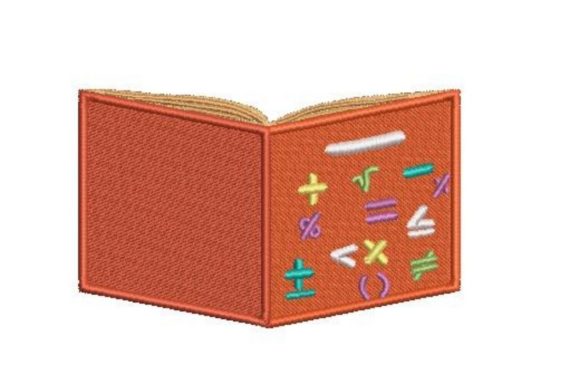
As an embroidery designer who has spent years digitizing patterns and testing them on everything from delicate silk to heavy canvas, I approach every new machine embroidery design with a critical eye. It is not just about whether the file opens correctly; it is about how that design translates into a tangible, emotional experience for the end user. Recently, I had the opportunity to review the Book Mockup, a digital asset intended to help visualize and plan personalized gift products. While the primary description suggests its utility for decorating school backpacks and adding a professional touch to high school accessories within the Back To School category, my focus was on its broader potential for the handmade market.
First Impressions: Mood and Emotional Appeal
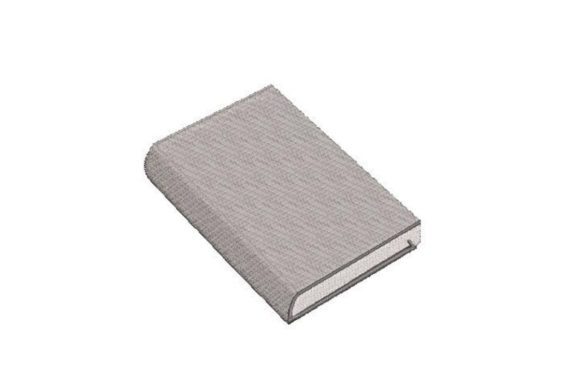
When I first loaded the Book Mockup into my workflow, the immediate impression was one of structured elegance. In the world of Embroidery, we often chase whimsy or extreme realism, but this design offers a clean, classic aesthetic. It feels grounded and intellectual, yet warm. For a personalized gift shop owner, this mood is invaluable. It does not scream for attention with chaotic details; instead, it invites a sense of calm and tradition. This makes it particularly suitable for customers seeking gifts that feel timeless rather than trendy. The charm lies in its simplicity, which allows the quality of the stitching and the choice of thread to take center stage.
The emotional appeal of this design is subtle but strong. It evokes memories of late-night reading, the smell of old paper, and the comfort of a quiet corner. For a buyer looking for a meaningful embroidered gift, such as a custom tote bag for a literature teacher or a pillow cover for a home library, this design bridges the gap between functional accessory and sentimental keepsake. It feels handmade in the best possible way—intentional and crafted with care.
Versatility Beyond the Classroom
While the product description highlights its use for kids' school backpacks and high school accessories, limiting this digital embroidery file to the academic sphere would be a missed opportunity. In my testing, I found that the Book Mockup performs exceptionally well across various categories of personalized gifts. Consider the baby market. A soft, neutral-toned blanket embroidery featuring this motif could serve as a beautiful nursery item for parents who value literacy and quiet time. It moves away from typical cartoonish baby themes and offers a sophisticated alternative for modern families.
For wedding gift designers, this design offers a unique angle. Imagine an embroidered towel set for a couple who loves to cook and read, or a custom apron for a book club host. The design’s clean lines allow it to sit comfortably on textured fabrics without getting lost. It also works beautifully for family keepsakes. A pillow cover stitched with this motif can become a cherished item in a living room, signaling the homeowner’s personality. For Etsy sellers and small shop owners, this versatility means you can market the same core design to multiple niches: students, teachers, parents, and bibliophiles.
Navigating Fabric and Technical Challenges
However, no design is universal, and practical application requires caution. When using the Book Mockup, attention must be paid to fabric texture and garment structure. Delicate details in any embroidery design can suffer on highly textured fabrics like thick terry cloth towels or loosely woven linens. If you are creating an embroidered towel, ensure that the stitch density is appropriate for the pile of the fabric. You may need to adjust your underlay or choose a heavier cut-away stabilizer to prevent the design from sinking into the loops of the towel.
Stretchy baby clothes present another challenge. If you plan to use this design on a onesie or a soft knit blanket, the stability of the hoop size and the type of stabilizer used are critical. A tear-away stabilizer might not provide enough support for detailed areas, leading to puckering after washing. Always test on scrap fabric that matches your final product. Additionally, curved surfaces, such as the pocket of a backpack or the sleeve of a shirt, require careful hooping to ensure the design does not distort. Dark fabrics require special consideration regarding thread colors. High contrast is essential for readability; if the design relies on fine lines, using a metallic or bright cotton thread against navy or black fabric can make the details pop, whereas low-contrast choices may render the design invisible from a distance.
Enhancing Perceived Value and Customer Trust
One of the most significant advantages of using a well-reviewed Book Mockup is its impact on product photography and buyer engagement. In the online handmade marketplace, customers cannot touch the product. They rely on images to gauge quality. A realistic mockup allows you to showcase how the finished product will look in a real-life setting. This transparency builds customer trust. When a buyer sees a high-quality visualization of a pillow cover or a tote bag, they can better imagine the item in their home. This emotional connection often translates into higher conversion rates.
Furthermore, the perceived value of a handmade product increases when the presentation is professional. Using this mockup to display your custom embroidery work signals that you pay attention to detail. It suggests that the final physical item will match the precision of the digital preview. For small business owners, this consistency is key to building a brand reputation for quality. It helps differentiate your listings from mass-produced items, emphasizing the care and craftsmanship involved in each stitch.
Practical Notes for the Embroiderer
Before launching this design into your production line, there are several technical steps you must take. First, always check the specific file formats provided. The description mentions multiple embroidery file formats, which is excellent for compatibility with different machine brands, but you must confirm that your specific machine can read the format you choose. Second, review the stitch density. High-density designs can cause fabric stiffness, which might be undesirable for a soft baby blanket or a lightweight apron. If the density is high, consider resizing the design slightly larger to spread out the stitches, or use a softer stabilizer.
Confirm the hoop size requirements. If the design is large, you will need a larger hoop, which may limit the types of garments you can embroider easily. Always compare light and dark fabric mockups to understand how thread color interaction changes the visual weight of the design. Finally, and most importantly, verify the commercial licensing terms. Just because a file is available for purchase does not automatically grant the right to sell finished products made with it. Ensure you have the appropriate license for commercial embroidery before listing items on Etsy or at craft fairs.
In conclusion, the Book Mockup is a versatile tool for the modern embroidery designer. While it fits neatly into the Back To School narrative, its true power lies in its ability to elevate everyday items into thoughtful, personalized gifts. By understanding its technical requirements and leveraging its aesthetic appeal, you can create products that resonate deeply with customers seeking meaning, quality, and beauty in their handmade treasures.