Hippotenuse Triangle: A Designer’s Review
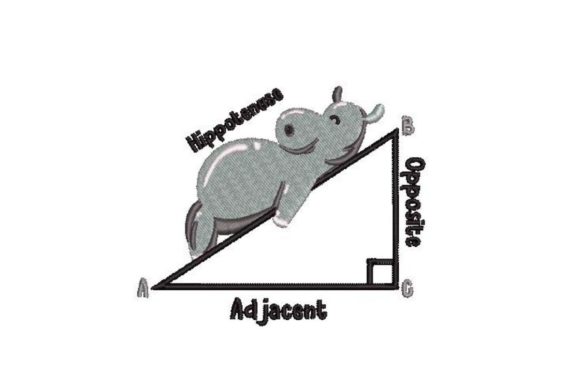
As an embroidery designer who has spent years digitizing files and consulting with small business owners, I have learned that the difference between a cute graphic and a profitable product often comes down to execution. When I first encountered the Hippotenuse Triangle machine embroidery design, my immediate reaction was one of delight mixed with professional curiosity. The concept is undeniably charming: a playful pun on geometry that appeals to anyone with a sense of humor about mathematics. But for those of us in the industry—whether you run an Etsy shop, a local boutique, or a custom apparel brand—the question is not just "is it cute?" but "does it work?"
This review evaluates the Hippotenuse Triangle from a commercial perspective. We will look beyond the initial charm to assess its viability for branded merchandise, staff uniforms, and high-volume production. If you are looking to expand your Back To School collection or add a unique touch to your year-round inventory, this design offers specific opportunities and challenges that every embroiderer should consider.
First Impressions: Visual Personality and Brand Fit
The visual personality of the Hippotenuse Triangle is best described as friendly, playful, and approachable. It does not attempt to be overly elegant or rustic; instead, it leans into a modern, decorative aesthetic that feels handmade yet polished. For small business owners, this is a crucial distinction. A design that feels too corporate can alienate customers looking for authenticity, while one that is too messy can undermine perceived value. This embroidery file strikes a balance that suggests quality without sacrificing fun.
In terms of brand identity, this design speaks to creativity, intelligence, and warmth. It is particularly effective for businesses that want to project a welcoming image. Imagine a local bookstore, a tutoring center, or a creative studio using this motif. It signals that the brand is smart but not stiff. For small business merch, this emotional connection is vital. Customers do not just buy a patch or a shirt; they buy into the vibe the brand represents. The Hippotenuse Triangle serves as a visual shorthand for that positive, intellectual playfulness.
Real-World Applications for Commercial Embroidery
The versatility of this design makes it a strong candidate for various commercial embroidery projects. Here is how I envision it performing in real-world scenarios:
- Embroidered Patches: This is perhaps the strongest use case. A well-digitized triangle design can be turned into a high-quality iron-on or sew-on patch. Patches are low-risk, high-margin items that allow customers to customize their own gear. The geometric nature of the design ensures it holds its shape well within a patch border.
- Custom Apparel and T-Shirts: As noted in the product description, this design is perfect for t-shirts. For a clothing brand, placing this on the left chest creates a subtle, sophisticated logo accent. On the back, it can serve as a larger statement piece. The key here is ensuring the thread colors contrast appropriately with the fabric.
- Cap Embroidery: Caps are a staple of promotional merchandise. The triangular shape fits naturally on the front panel of a baseball cap. However, curved surfaces require careful digitizing to prevent distortion. If you are offering this as a service, ensure your digitizer has accounted for the push and pull factors inherent in cap embroidery.
- Tote Bag Design: With the rise of eco-friendly shopping, tote bags are essential design assets for any retailer. Embroidering this design on a canvas tote adds texture and perceived value that printed designs cannot match. It transforms a simple bag into a handmade product feel, even if produced in batches.
- Apron Embroidery: For bakeries, florists, or craft studios, branded aprons are both uniform and marketing tool. The Hippotenuse Triangle adds a touch of whimsy to professional attire, making staff appear approachable and creative.
Technical Considerations and Production Challenges
While the design is adorable, technical execution is where many small businesses stumble. Before running a large batch, you must address several practical concerns regarding stitch density and fabric interaction.
Stitch Density and Fabric Texture: Geometry designs often rely on clean lines and sharp angles. If the stitch density is too high, the design can become stiff and may pucker lightweight fabrics. Conversely, if the density is too low on a textured fabric like a towel or heavy canvas, the underlying material may show through, ruining the crispness of the triangle. Always test on the actual fabric you intend to use. For dark uniforms, consider using an underlay stitch that matches the garment color to prevent shadowing.
Size and Legibility: The product description mentions sewing on backpacks and pencil holders. These are small items. You must verify the minimum viable size for this design. If the text or details within the triangle are too small, they may merge together during stitching, creating a blob rather than a recognizable shape. Create a printable mockup at 50% and 75% scale to check for clarity before committing to production.
Stabilizer Selection: The choice of stabilizer can make or break the finished product. For stretchy materials like t-shirts, a cut-away stabilizer is usually recommended to maintain integrity after washing. For woven fabrics like tote bags or patches, a tear-away might suffice, but testing is non-negotiable. Never assume a standard stabilizer will work for every application.
Enhancing Brand Identity and Customer Trust
Using a cohesive design like the Hippotenuse Triangle across multiple touchpoints strengthens brand recognition. When a customer sees the same high-quality embroidery on a tote bag, a patch, and a staff member’s apron, it builds trust. It signals attention to detail and professionalism. In the world of online sales, where customers cannot touch the product, high-resolution photos of the embroidered texture serve as proof of quality.
For Etsy sellers and merch creators, this design can be a cornerstone of a themed collection. Pairing it with other mathematical or educational motifs can create a niche appeal. This specificity helps in targeting ads and engaging with communities interested in STEM education, teaching, or geek culture. The emotional resonance of a "funny and adorable" design encourages social sharing, which is invaluable for organic growth.
Practical Notes for the Embroidery Professional
Before you list this item or offer it to clients, follow these steps to ensure a smooth production process:
- Test in Black and White: Before selecting vibrant thread colors, stitch the design out in black thread on white fabric and vice versa. This reveals any gaps in coverage or issues with spacing that color might hide.
- Verify Hoop Size: Confirm the required hoop size for the design. Ensure your machines can accommodate the necessary frame, especially if you are planning to do multi-position embroidery on larger items like backpacks.
- Check Commercial Licensing: Always confirm the license terms associated with the digital embroidery file. Ensure you have the right to sell finished products made with this design. Never assume; always read the terms.
- Create Client Mockups: If you are doing custom work, create a digital mockup showing the design on the specific garment. This manages client expectations and reduces the likelihood of revisions after stitching has begun.
- Inspect Thread Contrast: Choose thread colors that pop against the fabric but remain harmonious with the brand palette. High contrast is good for visibility, but clashing colors can look amateurish.
In conclusion, the Hippotenuse Triangle is more than just a cute graphic for kids. It is a versatile asset for the savvy embroidery business. Whether used for Back To School promotions or year-round branded merchandise, its success depends on thoughtful application and technical precision. By respecting the nuances of fabric, stitch density, and brand consistency, you can turn this playful design into a profitable component of your product line. Always prioritize quality control, and let the charm of the design do the rest.