Alphabet D: A Designer’s Review for Craft Fair Success
As an embroidery designer who has spent countless hours behind the hoop and even more time standing behind a booth table at weekend markets, I have learned that not all designs are created equal. Some are beautiful but impractical; others are simple but forgettable. Today, I am putting Alphabet D under the microscope. This is not just a technical review of stitch paths, but a real-world assessment of how this design performs when you are trying to move inventory, attract eyes, and build a brand.
The product description notes that this alphabet embroidery is suitable for a variety of fabrics and designs, specifically highlighting t-shirts, sweatshirts, fabric-covered notebooks, personalized gifts, and back-to-school projects. For a craft fair seller or an Etsy shop owner, versatility is currency. Let’s break down why Alphabet D might be the workhorse your production schedule needs.
First Impressions: The Visual Hook
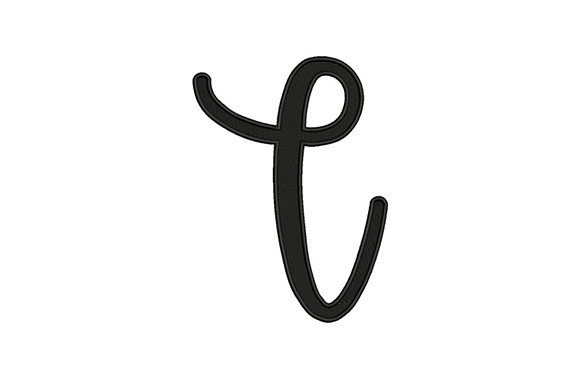
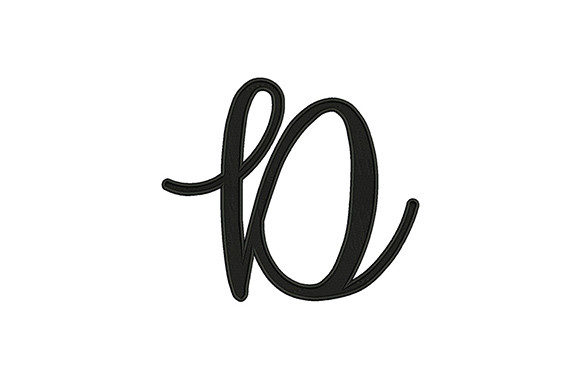
When I first loaded the digital embroidery file for Alphabet D, my immediate impression was one of clean reliability. In the world of handmade products, clarity sells. Customers walking past a booth do not have time to decipher complex, overly dense patterns from three feet away. Alphabet D appears to strike a balance between decorative charm and modern minimalism. It does not scream for attention with excessive frills, which means it feels premium rather than cheap.
This aesthetic flexibility is crucial. Whether you are aiming for a rustic farmhouse vibe with linen tea towels or a modern, crisp look for canvas tote bags, this design adapts. It feels sturdy enough for heavy-duty items yet delicate enough for personalized gifts. For the Back To School season, this is a significant advantage. Parents and students alike are looking for items that feel personalized but not childish. A well-executed initial or monogram using this style can elevate a simple notebook cover into a bespoke accessory.
Product Versatility and Market Appeal
The true test of any machine embroidery design is its adaptability across different substrates. Based on the description, Alphabet D is marketed for a wide range of applications. Here is how I see it performing in a real craft fair scenario:
- Tote Bag Design: Canvas totes are staples of the craft fair circuit. Alphabet D works beautifully here as a focal point. Because it is an alphabet design, it allows for immediate personalization, which is a huge selling point. You can offer to stitch a customer’s initial on the spot if you have a portable machine, or pre-stitch popular initials for quick sales.
- Apron Embroidery: Kitchen aprons are high-margin items. Placing this design on the bib or the pocket adds a touch of professionalism. The design’s structure likely holds up well against the thicker cotton or denim blends used for aprons, provided you use the correct stabilizer.
- Tea Towel Embroidery: Linen and cotton towels are popular small shop products. The key here is scale. If Alphabet D is too large, it overwhelms the towel. If it is too small, it gets lost in the weave. I recommend testing this on scrap fabric first to ensure the stitch density does not pucker the lightweight material.
- Embroidered Patch: Creating iron-on or sew-on patches is a fantastic way to utilize leftover hoop space. Alphabet D could serve as a standalone patch or part of a larger set. Patches are low-commitment purchases for customers, making them excellent impulse buys at your booth.
- Caps and Headwear: Curved surfaces are tricky. If you plan to use this on caps, ensure the design is digitized with pull compensation in mind. A design that looks flat on paper can distort on a curved crown. However, if executed correctly, a single letter on a cap is a timeless bestseller.
Production Practicality for the Small Shop Owner
For those of us running small businesses, time is money. Batch production is the only way to survive peak seasons like Back To School or the holiday rush. Alphabet D seems designed for efficiency. The description suggests it is suitable for various fabrics, which implies a forgiving stitch path.
When evaluating a design for commercial embroidery, I look for repeatability. Can I stitch this ten times in a row without constant thread breaks or trimming? While I cannot confirm the exact stitch count or file format from the description alone, the emphasis on "variety of fabrics" suggests a robust digitizing job. However, you must verify the stitch density yourself. High-density areas can cause puckering on thin fabrics like t-shirts, while low-density areas might look sparse on thick fleece sweatshirts.
Photography is another critical factor. Does Alphabet D photograph well for your Etsy listings? Clean lines and distinct shapes tend to pop in digital photos. Avoid designs with tiny, intricate details that blur when viewed on a smartphone screen. If this design maintains its clarity in a printable mockup, it will likely convert better online.
Careful-Use Notes and Technical Considerations
Even the best designs have limitations. As an experienced designer, I must highlight potential pitfalls when working with Alphabet D:
- Fabric Texture: Textured towels or looped fabrics can swallow small stitches. If the design has fine serifs or thin lines, they may disappear into the pile of a terry cloth towel. Always test on the actual fabric you intend to sell.
- Dark Fabric: If you are stitching on black or navy, ensure your thread colors have enough contrast. A dark thread on a dark fabric will render the design invisible from a distance. Consider using metallic or high-sheen threads to add visual interest and depth.
- Stabilizer Selection: The right stabilizer is non-negotiable. For stretchy fabrics like sweatshirts, use a cut-away stabilizer to prevent distortion over time. For woven fabrics like tote bags, a tear-away might suffice, but a cut-away often provides a more professional, long-lasting finish for commercial products.
- Hoop Size: Confirm the required hoop size before starting. If the design is large, you may need a 5x7 or 6x10 hoop. Ensure your machine can accommodate this, and factor the hoop size into your pricing if you are charging for personalization.
Enhancing Brand Consistency and Buyer Engagement
Using a consistent design style like Alphabet D across your product line helps build brand recognition. If a customer sees the same elegant lettering style on a tote bag, a notebook, and a patch, they begin to associate that aesthetic with your brand. This consistency creates a cohesive booth display that looks curated and professional, rather than cluttered.
To maximize buyer engagement, consider creating bundles. Pair an embroidered tote with a matching pouch featuring the same alphabet style. Offer a "Back To School" bundle with a notebook cover and a pencil case. These combinations increase the average order value and make gifting easier for your customers.
Final Designer Verdict
Before you commit to a large production run, take these practical steps. First, stitch out Alphabet D on scrap fabric similar to your final product. Check the thread tension and inspect the back of the hoop for excessive buildup. Second, create at least one real mockup or sample product to display at your booth. Customers need to touch and feel the quality of the finished product. Third, confirm the commercial licensing terms of the digital embroidery file. Ensure you have the right to sell the physical items you create.
Alphabet D appears to be a solid addition to any embroidery designer’s library. Its versatility across t-shirts, sweatshirts, and accessories makes it a practical choice for craft fair sellers and Etsy entrepreneurs. By paying attention to fabric choice, stabilizer type, and presentation, you can turn this simple alphabet design into a profitable staple of your handmade product lineup. Remember, the best design is not always the most complex; it is the one that sells consistently, looks professional, and brings joy to the customer. With careful execution, Alphabet D has the potential to do just that.