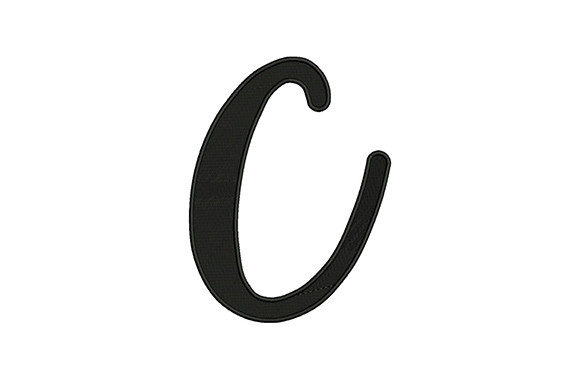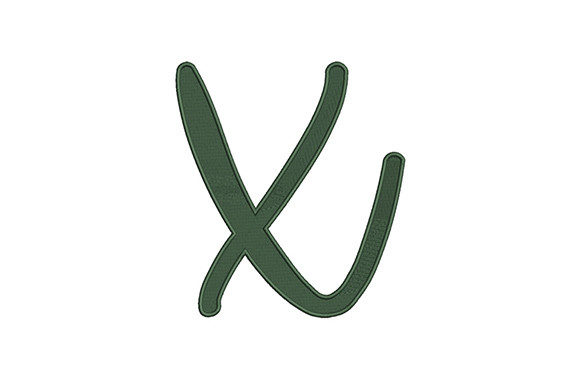
Reviewing Lower Case Alphabet X for Craft Fairs
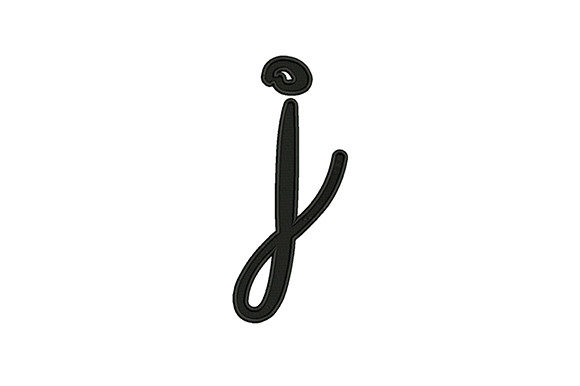
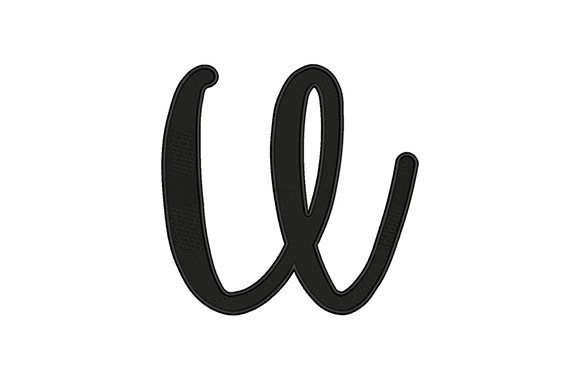
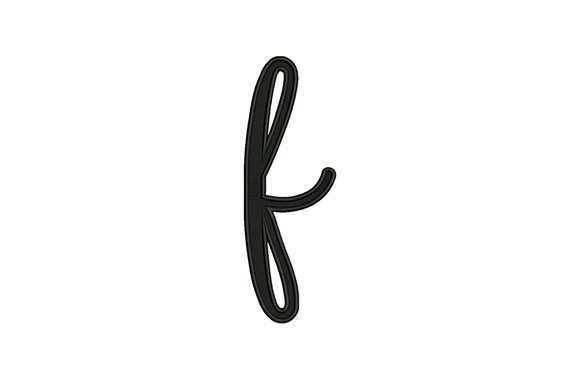
As an embroidery designer who has spent countless weekends behind a vendor table, I know that the difference between a browsing customer and a buying customer often comes down to split-second visual appeal. When I pull a new machine embroidery design out of my digital library to test for an upcoming market, I am not just looking at aesthetics; I am looking at viability. Recently, I evaluated Lower Case Alphabet X with this exact mindset. This is not just about whether the letter looks cute on a screen; it is about how it performs as a craft fair product in the real world.
The premise of this design is straightforward yet powerful. It is a high-quality alphabet embroidery design intended for creative projects ranging from t-shirts to jackets and bags. For those of us running small shops or Etsy stores, the versatility of a single letter cannot be overstated. In the context of Back To School season, personalized items are gold. However, even outside of that specific niche, a well-executed lowercase letter serves as a minimalist statement piece that appeals to modern buyers who prefer subtlety over loud graphics.
First Impressions and Aesthetic Appeal
When I first loaded the digital embroidery file into my software, the immediate impression was one of clean, modern simplicity. The lowercase format suggests a approachable, friendly vibe rather than the rigid authority of uppercase typography. This makes Lower Case Alphabet X particularly suitable for boutique makers aiming for a soft, contemporary, or slightly rustic aesthetic. It does not scream for attention; instead, it invites closer inspection, which is exactly what you want when a customer is holding a physical item in their hands.
The design feels versatile enough to bridge several styles. It can look farmhouse-chic on a linen towel, modern-minimal on a canvas tote, or playful on a child’s denim jacket. This adaptability is crucial for Etsy sellers and craft fair vendors who need to maximize the utility of their design assets. By mastering one strong alphabet set, you can create an entire cohesive collection of products without needing hundreds of different graphic elements.
Product Application and Market Viability
To truly judge the value of this design, I imagined setting up a booth display featuring various handmade products. Here is how Lower Case Alphabet X performs across different mediums:
- Tote Bags and Market Bags: This is perhaps the strongest application. A single, centered lowercase letter on a natural cotton canvas bag creates an instant monogram effect. It transforms a generic bag into a personalized accessory. The tote bag design potential here is high because customers love seeing their own initials represented in a stylish, understated way.
- Aprons and Tea Towels: For kitchen textiles, the design adds a touch of bespoke charm. Apron embroidery using a single initial near the neck loop or pocket creates a professional, custom look. Similarly, tea towel embroidery benefits from the simplicity of the letter, ensuring it remains legible and elegant against the textured fabric.
- Embroidered Patches: Creating standalone patches allows for batch production. You can hoop a large piece of felt or twill, stitch multiple instances of the letter, and cut them out later. These make excellent impulse buys at craft fairs, allowing customers to add a personal touch to existing jackets or backpacks.
- Caps and Headwear: While challenging due to the curved surface, a small lowercase letter on the side or back of a cap can be very trendy. It requires careful attention to stabilizer choice and hooping technique, but the result is a high-value small shop product.
Production Practicalities for the Busy Maker
From a production standpoint, time is money. One of the key advantages of Lower Case Alphabet X is its potential for repeatability. Because it is a single character, it is ideal for batch processing. You can set up your machine to stitch the same letter on multiple items consecutively, reducing the time spent on hooping and re-hooping. This efficiency is vital for maintaining healthy profit margins on commercial embroidery projects.
However, there are technical considerations to keep in mind. The description notes that the design comes with multiple options, which likely refers to different sizes or formats. It is essential to check the hoop size requirements for each variation. If you are stitching on smaller items like pouches or baby clothes, ensure the design scales down without losing clarity. Tiny details in lowercase letters, such as the dot on an 'i' or the tail of a 'y', can become muddy if the design is too small or if the stitch density is too high for the fabric type.
Another critical factor is fabric texture. On smooth cotton or polyester, the design will appear crisp and defined. On textured towels or thick denim, you may need to adjust your underlay stitches or use a cut-away stabilizer to prevent puckering. Always test the design on scrap fabric that matches your final product material. This step saves you from ruining expensive blanks and ensures your finished product meets professional standards.
Visual Marketing and Online Presence
In today’s market, your product must sell twice: once in person and once online. Lower Case Alphabet X photographs exceptionally well because of its clean lines. When creating listings for your online store, use a printable mockup to visualize the design on various backgrounds before stitching. High-contrast thread colors against neutral fabrics tend to perform best in photos, drawing the eye directly to the embroidery.
For Etsy sellers, consistency is key. Using the same alphabet style across your entire shop creates strong brand recognition. Whether a customer buys a pillow cover or a tote bag, they should recognize the distinctive style of your embroidery. This design helps establish that visual identity. Furthermore, simple designs like this allow you to highlight the quality of your thread work and fabric choices, rather than hiding behind complex, busy graphics.
Designer Notes and Final Recommendations
Before you commit to producing a full line of inventory, take these practical steps:
- Check Licensing: Confirm the commercial licensing terms included with the embroidery file. Ensure you are cleared to sell finished physical goods made with this design.
- Test Thread Colors: Experiment with both matching and contrasting threads. A tonal look (white thread on white fabric) offers a subtle, premium feel, while contrasting colors create a bold statement.
- Inspect Stitch Density: Review the design settings in your software. If the density is too high for lightweight fabrics, consider using a tear-away stabilizer or adjusting the pull compensation.
- Create Real Mockups: Stitch the design on actual products rather than relying solely on digital previews. Fabric behavior can change the final look significantly.
In conclusion, Lower Case Alphabet X is a robust addition to any embroidery designer’s toolkit. It balances aesthetic appeal with production efficiency, making it a smart choice for craft fair vendors and online sellers alike. By focusing on quality execution and strategic product placement, you can turn this simple digital asset into a profitable line of handmade goods. Remember, the goal is not just to stitch a letter, but to create a connection with the customer through personalized, high-quality craftsmanship.